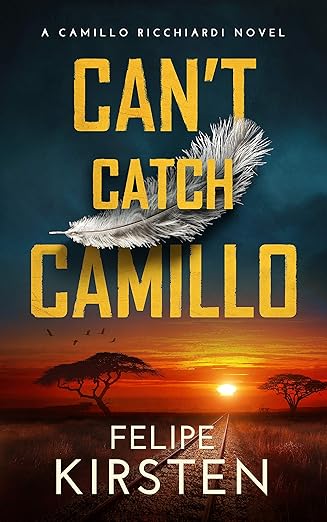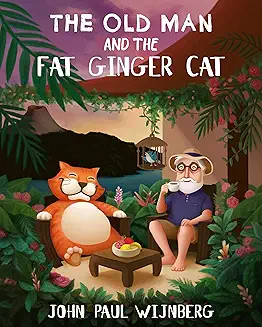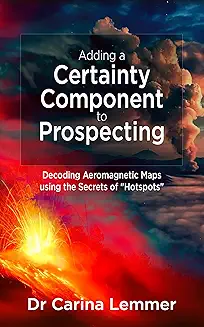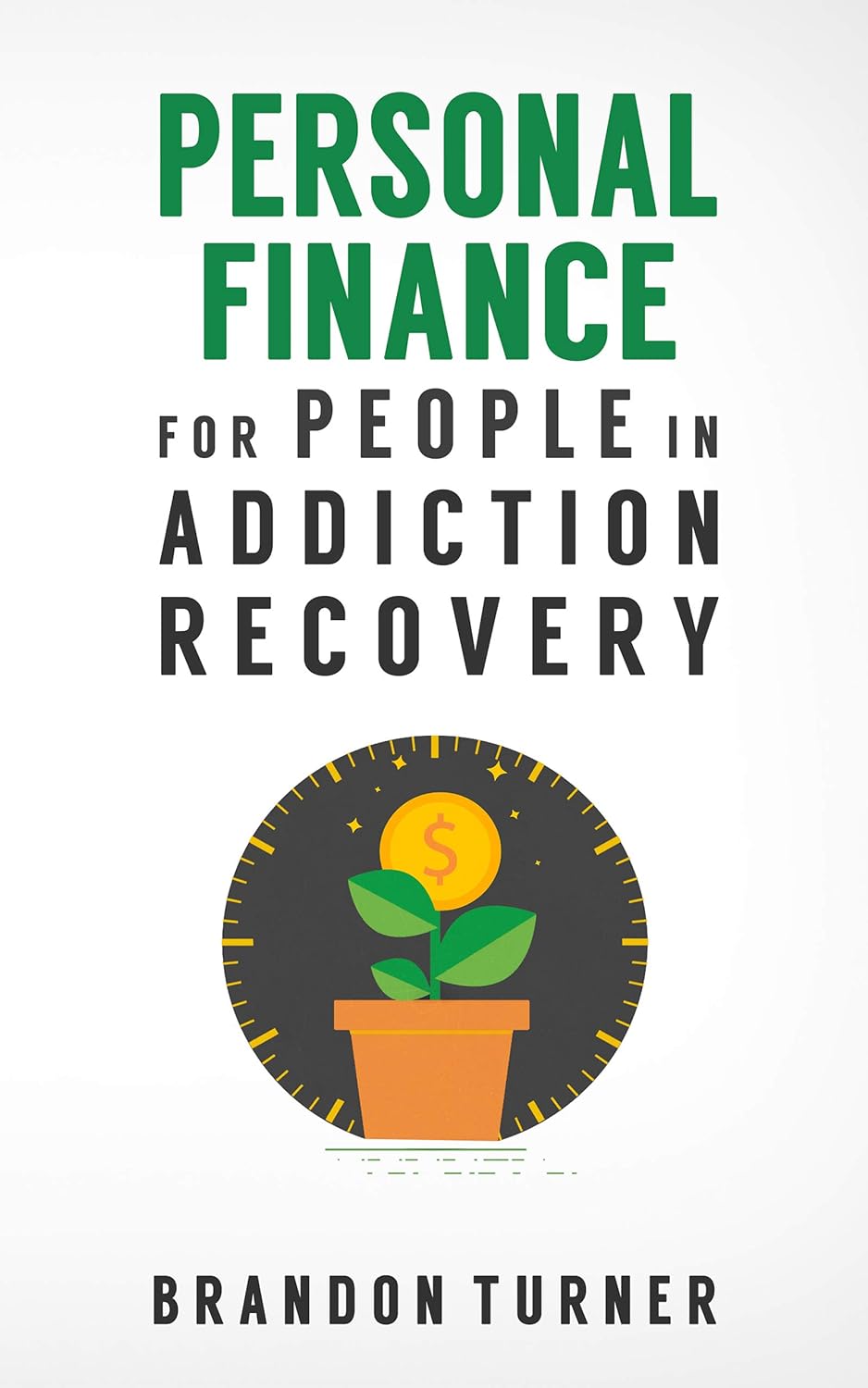


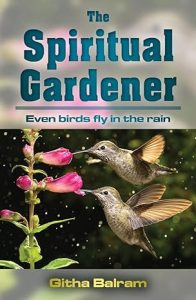
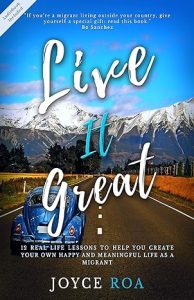

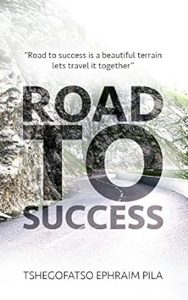

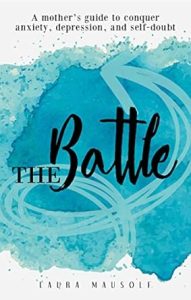


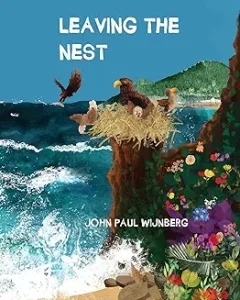
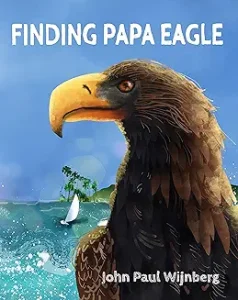

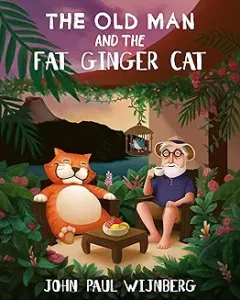
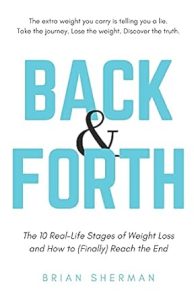
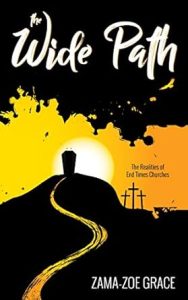
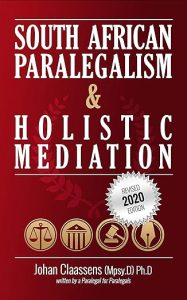
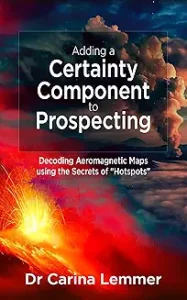
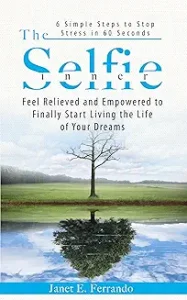




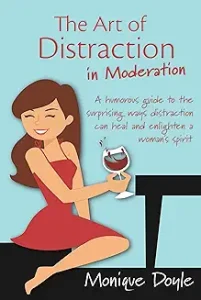
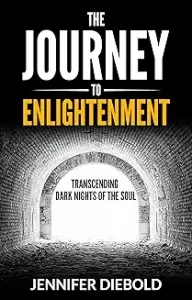
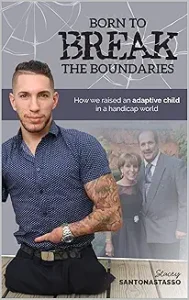
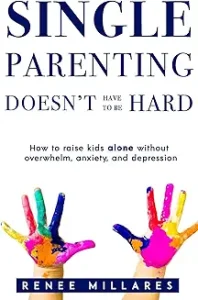
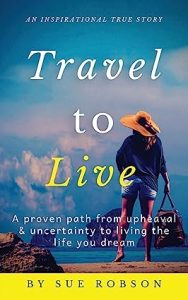
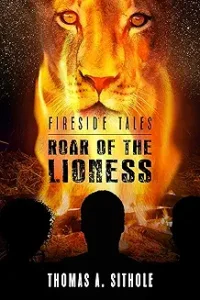
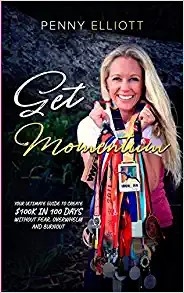
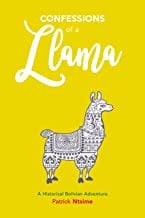
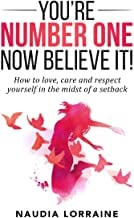
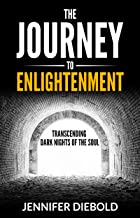
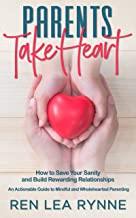
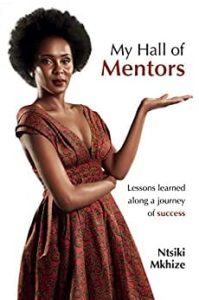
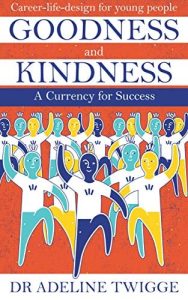
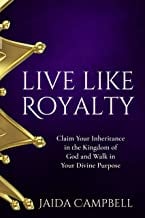
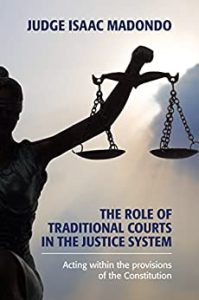


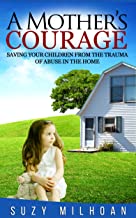
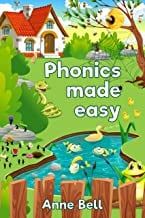
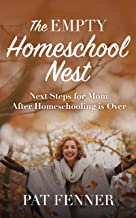
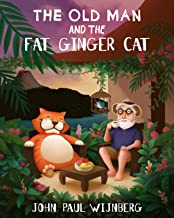
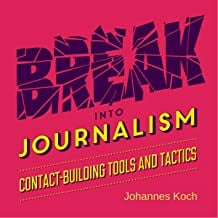
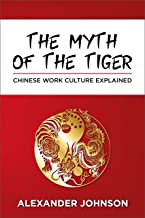
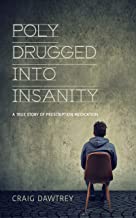
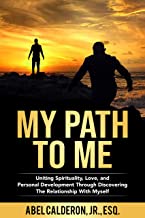
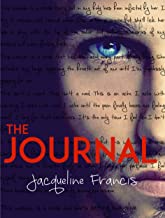



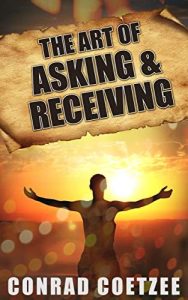
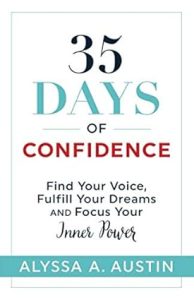
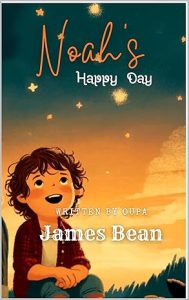
Completing a book is complex; the support you receive should be simple. We offer comprehensive assistance from concept to print, structured into four high-impact services:
Full Support: Comprehensive Elite, Line, + Copy Editing to refine every aspect of your manuscript.
Creative Guidance: Personalized Book Coaching to coax out your best story and solve structural issues.
Finishing Touches: Expert Kindle Conversion + Cover Design to ensure a flawless presentation.
Trusted Expertise: Solutions built on work with publishers and over 160 books—your assurance of quality.


Stop procrastinating and start finishing. This journey requires a confident, clear roadmap.
Let us remove the stress and guide you toward that finished mission with simple confidence. (A small pause for a big impact.)
Ready to get clarity? Request a sample edit o define your simplest, fastest path to completion.
Choosing a good editor relies on fit, specialisation, and professionalism. 1. Ask for a Free Sample Edit: This is the most critical step. A reputable editor will edit 1,000–2,000 words of your manuscript for free so you can assess their style, quality, and the nature of their feedback. 2. Check Specialisation: Ensure they have experience in your specific genre (e.g., fantasy, political non-fiction) and the level of edit you need (Developmental/Structural, Copyediting, or Proofreading). 3. Verify Credentials: Look for an editor with an established online presence and professional affiliations.
For traditionally published authors, payment comes primarily through royalties, not a salary. The average royalty rate in South Africa is generally between 7.5% and 10% of the book’s recommended retail price (RRP). Many traditional publishers will pay a non-returnable upfront sum called an ‘advance’ against future royalty earnings. For a debut genre novel, advances can be modest, and the author may not earn further royalties until the advance is ‘paid off’ by book sales.
The cost of publishing depends heavily on the method chosen: • Traditional Publishing: The cost to the author is typically R0. The publisher covers all costs (editing, design, production, distribution) in exchange for the rights and a larger share of the profits.
• Self-Publishing: This can vary from a few thousand Rand to over R50,000, depending on the quality of services used. A rough estimate for self-publishing an average-length book (e.g., 70,000 words) with top-quality services for editing, proofreading, cover design, and formatting, excluding printing, can be R55 000 or more.
Proofreading and editing rates are usually charged per 1,000 words or per word, and vary based on the level of intervention required (proofreading is the lightest intervention).
• Basic Proofreading (final check for typos/grammar): Estimates often range from R150 to R180 per 1,000 words (or R0.15 to R0.18 per word).
• Copy/Substantial Editing (structure, flow, and expression): This can cost significantly more, often starting around R250 per 1,000 words and going up to R0.45+ per word for heavy edits.
Pay for writers varies significantly by role (e.g., book author, scriptwriter, content writer):
• Content Writers (Average Salary): The average salary is often cited around R200,552 per year (Mid-level may earn R216,000 to R360,000+).
• Technical Writers (Average Salary): Often higher than content writers, with an average around R336,432 per year.
• Freelance Writers (Per Word): Can earn between R1 and R3 per word for commissioned articles and content, depending on experience and client.
The cost of publishing depends heavily on the method chosen: • Traditional Publishing: The cost to the author is typically R0. The publisher covers all costs (editing, design, production, distribution) in exchange for the rights and a larger share of the profits. • Self-Publishing: This can vary from a few thousand Rand to over R50,000, depending on the quality of services used. A rough estimate for self-publishing an average-length book (e.g., 70,000 words) with top-quality services for editing, proofreading, cover design, and formatting, excluding printing, is around R55 000 or more.
Basic Proofreading (final check for typos/grammar): Estimates often range from R150 to R180 per 1,000 words (or R0.15 to R0.18 per word).
The price is determined by genre, format (paperback/hardback), and whether it’s a local or international title. Looking at the South African market for general consumer paperbacks, a 200-page book would typically fall within a retail price range of R245 to R350 (or more for a highly illustrated or specialist non-fiction book). Bestselling fiction/teen paperbacks can start around R245-R260, while new local non-fiction titles often fall in the R350-R400 range.
Yes, selling 5,000 copies is generally considered a success. For many publishers, a book that sells over 5,000 copies is considered a success. Statistically, only a small percentage of traditionally published books ever sell this many copies. For self-published authors, reaching this number is highly commendable and is often enough to break even on high-quality production costs and generate a profit, depending on the royalty rate.
Yes, absolutely. Every professional book requires editing.
• Traditional Publishing: Your manuscript must be as polished as possible to pass the first hurdle of agent/publisher submission. While the publisher will provide a final editor, they expect high quality upfront.
• Self-Publishing: Hiring a professional editor is non-negotiable to meet reader expectations and compete with traditionally published books.
While you technically can, it is strongly advised against. Skipping professional editing is the primary cause of negative reviews (criticising grammar, plot holes, or poor flow) and will damage your credibility as an author.
No. In South Africa (a Berne Convention signatory), copyright is automatic the moment you fix your work in a tangible form (e.g., typing it). No formal registration is needed to protect your work from an editor. Reputable editors rely on trust and confidentiality.
Rates vary based on the editor’s experience and the level of work required, and are often quoted per word or per 1,000 words (in South African Rands: R). However, per-project fees often work out better for both the author and the editor.
The best approach is to research and target specific companies:
1. Research: Identify traditional publishers in South Africa (like Penguin Random House SA) whose lists include books that are a close fit for your genre and style.
2. Review Guidelines: Strictly follow their submission guidelines. These often dictate required document format, length, and when they are open to receiving submissions (submission windows).
3. Preparation: Ensure you have a professionally polished manuscript, a compelling synopsis, and a strong idea of your book’s marketability before submitting.
In the publishing world, the length of a “book” (specifically a novel or full-length non-fiction work) is primarily defined by word count, not page count, because the page count can be manipulated by font size, margins, and book size.
However, we can give you a practical breakdown of the word counts and their approximate page equivalents.
The average adult novel is typically 80,000 to 100,000 words, which translates to roughly 300 to 400 pages in a standard paperback format.
The technical minimum for a work to be called a novel (instead of a novella) is generally 40,000 to 50,000 words, which is about 150 to 200 pages.
The expected length is highly dependent on the category, as readers and publishers have different expectations for different types of stories:
| Genre | Typical Word Count Range | Approx. Page Count |
| Literary / Commercial Fiction | 80,000 – 100,000 | 300 – 400 |
| Mystery / Thriller | 70,000 – 100,000 | 250 – 400 |
| Romance | 70,000 – 90,000 | 250 – 350 |
| Young Adult (YA) | 50,000 – 80,000 | 200 – 320 |
| Non-Fiction (General) | 50,000 – 90,000 | 200 – 350 |
| Fantasy / Sci-Fi (Often longer due to world-building) | 100,000 – 150,000+ | 400 – 600+ |
Note: Page count is calculated assuming a standard published trade paperback with approximately 250-300 words per page.3
| Classification | Word Count | Approximate Page Count |
| Short Story | Under 7,500 | Under 30 |
| Novelette | 7,500 – 17,500 | 30 – 70 |
| Novella | 17,500 – 40,000 | 70 – 150 |
For a first-time novelist, the sweet spot that agents and publishers often look for is around 80,000 words—it shows you can sustain a full narrative without padding or running wild with an epic tome.
Find your natural end + stop! The story should be the right length, not forced to meet an arbitrary number.