An Interview with J. Ratcliffe, Author of Kubu Tales – A Kalahari Mystery
Peter awakens on the desolate yet mystical Kubu Island with no memory of who he is or how he arrived. Guided by Masego, a spiritual healer and keeper of ancient wisdom, he embarks on a profound journey to rediscover his identity.
Through vivid memories of life in apartheid-era South Africa and the spiritual echoes of the Kalahari Desert, Peter’s path becomes one of resilience, revelation, and reckoning. But as the layers of his past peel away, an ominous truth begins to emerge—a secret buried in the sands of his forgotten life.
Will Peter find clarity and redemption—or uncover a mystery too dangerous to confront?
Some stories entertain.
Others awaken something deeper.
Kubu Tales by J. Ratcliffe belongs to the second category.
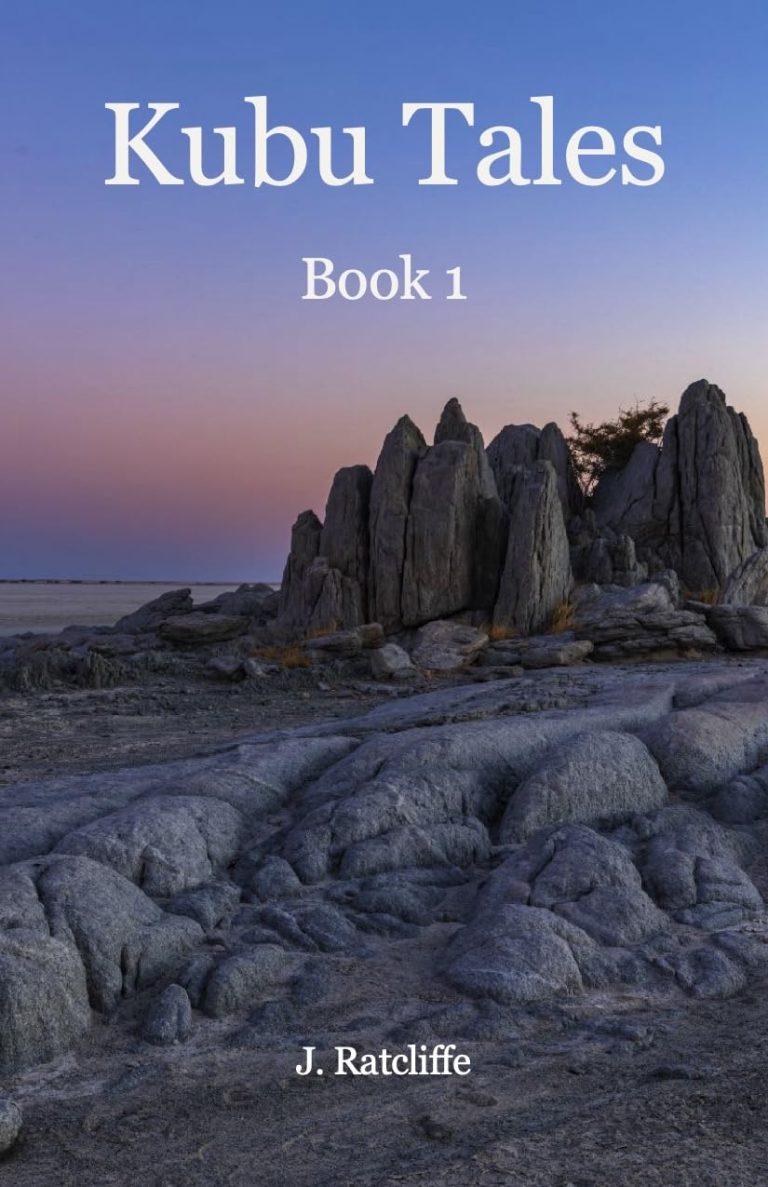
Set against the haunting beauty of Kubu Island and the vast spiritual landscapes of Southern Africa, the novel follows Peter — a man who wakes with no memory of who he is, only to discover that forgetting may be more dangerous than remembering.
But Kubu Tales is more than a mystery. It is a story about identity, buried trauma, spiritual inheritance, and how the land itself carries memory.
We sat down with J. Ratcliffe to explore the deeper layers of the book — and why this story feels especially relevant for readers today.
Peter’s journey of rediscovering his identity is central to Book 1. What aspects of Peter’s character resonate most deeply with you, and how did you approach crafting his emotional arc?
As the storyline unfolds over the series, it touches on elements I experienced as an expatriate child, separated from our extended family. We were blessed that other members of the community would step in and became our surrogate aunts and uncles, and their unique values and wisdom helped shape me into the person I am today. I hope I can reflect those values in this series as Peter’s personality develops.
Kubu Island is such a vivid setting. What sparked the initial idea for ‘Kubu Tales,’ and why did you choose this particular location as the heart of your story?
The inspiration for Kubu Tales stems from my childhood experiences growing up in South Africa and Botswana. I lived in Orapa until I was 16, with Kubu Island a mere 60 kilometers away. The island possesses an intrinsic spirituality—from its striking monolith to its massive baobab trees that instinctively draw visitors to them. Evidence of ancient human settlements added to its allure, and I remember discovering fragments of pottery, ostrich shells, and even seashells scattered across the salt pan. The island’s beauty and mystery captivated me from childhood, making it the perfect backdrop for Peter’s story.

The book weaves in the complexities of apartheid-era South Africa. How did you balance the historical and political elements with the fictional mystery, and what message do you hope readers take away regarding this period?
The narrative draws from personal experiences and conversations with people who lived during that era. I witnessed firsthand the regime’s use of paranoia and propaganda to target ethnic groups—particularly the fear-mongering claim that change would end in bloodshed, which was used to frighten voters to toe the party line. Growing up in a multi-racial and multi-cultural society, I saw clearly that this narrative was both a lie and its devastating impact on society.
Sadly, we still see the same use of intolerance for political gain today. Singling out ethnic groups and blaming them for declining living standards or lack of social mobility serves as a distraction from the real questions – Why we have such huge economic disparities and what must be done to create a fairer society?
Masego and the spiritual themes are integral to the narrative. Can you share more about your research or personal connection to the spiritual aspects of the Kalahari and the role of the Sangoma?
I incorporated several superstitions from my time in Orapa into the series, and I knew of Sangomas in our community. They serve not only as spiritual intermediaries but also as counselors and social workers. Their practice of using trance sessions to tap into ancestral wisdom helped shape Masego’s character into an ideal guide for Peter’s journey.
What was the most challenging aspect of writing ‘Kubu Tales: Book 1,’ and what did you learn about your writing process during this project?
Finding the time! Prior to Kubu Tales, I’d only written articles for a clinical journal, so learning to write creatively was a challenge.
What do you hope readers experience or feel when they immerse themselves in ‘Kubu Tales,’ and what kind of feedback have you received so far that has been particularly meaningful?
Beyond the central plot, I hope readers gain a deeper understanding of both the culture and tensions of that era. This unique period in history shaped Botswana and South Africa into the nations they are today.
How did the editing process contribute to the final version of ‘Kubu Tales: Book 1,’ and what was your experience like working with an editor?
Working with Lizette was an exceptional experience—she helped ensure the storyline remained authentic to a Southern African audience. I’m looking forward to collaborating with her on the rest of the series.
With Book 2 underway and Book 3 outlined, what can readers anticipate in the continuation of the ‘Kubu Tales’ series, and what excites you most about the future of this story?
Book 2 further explores the personalities of both Peter and Masego whilst building on the central storyline. In addition the backdrop is unique – expect to learn more growing up in a remote mining town on the edge of the Kalahari desert, its beauty and its challenges.
Beyond the story itself, what personal connection do you have to the themes and settings explored in ‘Kubu Tales,’ and what do you hope to share with your readers on a more personal level?
I’ve drawn on a lot of personal experiences for this series, so I’m hoping that the series will give readers a unique perspective on an interesting historical time.
Final Thoughts from the Author
“This book isn’t about having all the answers. It’s about being willing to ask the real questions.
If a reader closes the book feeling unsettled in a healthy way — more reflective, more curious, more honest with themselves — then the story has done its job.”
About the Book
Title: Kubu Tales is available on Amazon
Author: J. Ratcliffe
Format: Kindle Edition
Genre: Mystery, Spiritual Fiction, African Literature
Setting: Kubu Island, Kalahari Desert, Southern Africa
Peter awakens with no memory.
But the land remembers.
And the truth is waiting.
Turn Your Manuscript Into a Book That Readers Feel — Not Just Read
You don’t just need an editor.
You need a partner who understands story, voice, and emotional resonance.
I work with authors who know their message matters — but want their writing to:
-
Flow with clarity and authority
-
Retain their unique voice
-
Create emotional and intellectual impact
-
Hold readers from first page to last
Whether you’re refining a manuscript, shaping a memoir, or polishing a novel, I help turn good writing into compelling, publish-ready work.
👉 Ready to elevate your manuscript?
Let’s talk about how to strengthen your story — without losing your voice.